
parent resources

Supporting Whānau Through Every Step
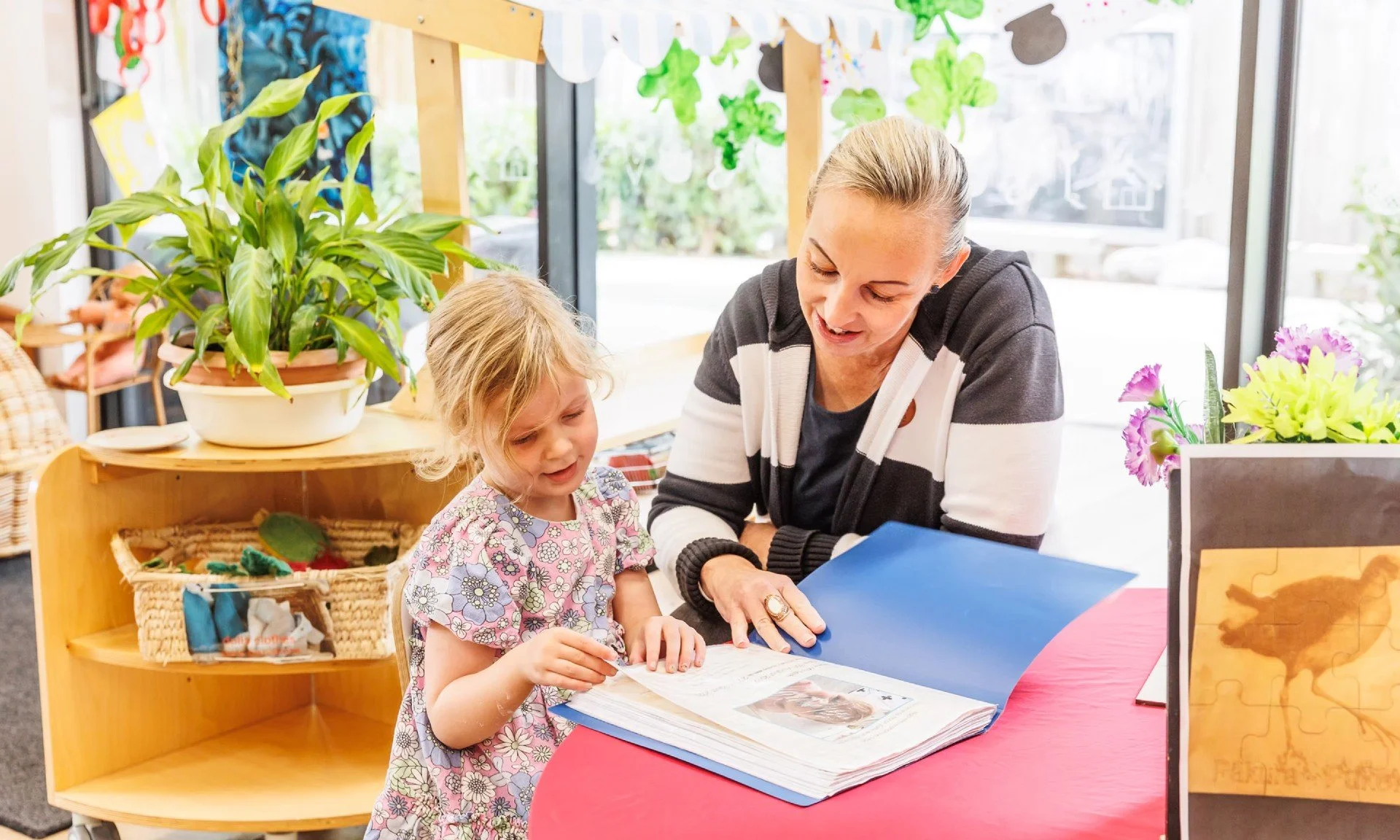
At our early learning centre, we believe that strong partnerships with parents and whānau are key to a child’s growth and success. This section is designed to offer helpful information, practical resources, and guidance to support you through key stages of your child’s early development—including toilet training, routines, and transitions.
Whether you're looking for tips, timelines, or reassurance, you'll find tools here to help you feel informed and confident. We’re here to work alongside you—every step of the way.

transitioning to hatch
Starting at a new centre is a big step for both tamariki and whānau. Our settling process is designed to gradually build familiarity, trust and confidence, while allowing us to get to know your child and understand what helps them feel secure.

understanding sleep & rest at hatch
Sleep is an important part of your child’s wellbeing, growth and development. At Hatch, we recognise that every child has different sleep needs, and we work closely with whānau to understand and support their individual routines.

toileting
Every child and whānau has their own unique journey through toilet training. For some tamariki, the transition away from nappies is smooth and exciting. For others, it can be a time of challenge as they navigate this new step toward independence.

understanding biting – what is it all about
There is no denying that biting can bring big emotions. Whether your child is biting or has been bitten, it can be upsetting, stressful and sometimes difficult to know how to respond.

pathways to kura: supporting a confident start to school
Starting school is a big milestone for tamariki and their whānau. It is an exciting time filled with new experiences, new relationships and a whole new level of independence.

excursions & outings
Excursions and outings are an important part of the Hatch Early Learning Centre curriculum, giving tamariki opportunities to learn beyond the centre, connect with their local community and explore their environment.

storypark – staying connected to your child’s learning
At Hatch, we use Storypark as our online communication tool to help keep you connected to your child’s day and involved in their learning journey.